Introduction
The world of web design moves fast and in India, it is moving faster than almost anywhere else. With over 900 million internet users, a booming startup ecosystem, and an increasingly design literate population, the expectations Indian users bring to a website in 2026 are fundamentally different from just two or three years ago. Websites that felt cutting-edge in 2022 now feel dated. This blog covers the definitive web design trends shaping Indian digital experiences in 2026 . so you can build websites that attract, engage, and convert.
1. Bento Grid Layouts , India’s New Design Language
Inspired by Apple’s marketing aesthetic and popularised by SaaS product pages worldwide, Bento Grid layouts have taken the Indian web design scene by storm in 2026. These card-based, asymmetric grid systems allow designers to present multiple pieces of information on a single screen in a visually organised, scannable format. Indian tech companies , from Bengaluru-based SaaS startups to Mumbai fintech ,firms have rapidly adopted bento grids for their landing pages, product showcases, and portfolio sites. The trend suits Indian users well because it matches how people consume content on apps like Instagram and YouTube Shorts , in digestible, visually distinct blocks.

2. Dark Mode First Design
In 2026, dark mode is no longer an afterthought it is becoming the primary design mode for many Indian websites and applications, particularly in the developer tools, entertainment, and fintech sectors. Indian users in urban centres increasingly prefer dark mode across their devices, driven by prolonged screen time habits and OLED smartphone screens where dark mode delivers both visual richness and battery savings. Building dark-mode-first and then adapting for light mode is now considered best practice by leading Indian design teams.
3. AI-Generated Visual Content and Motion
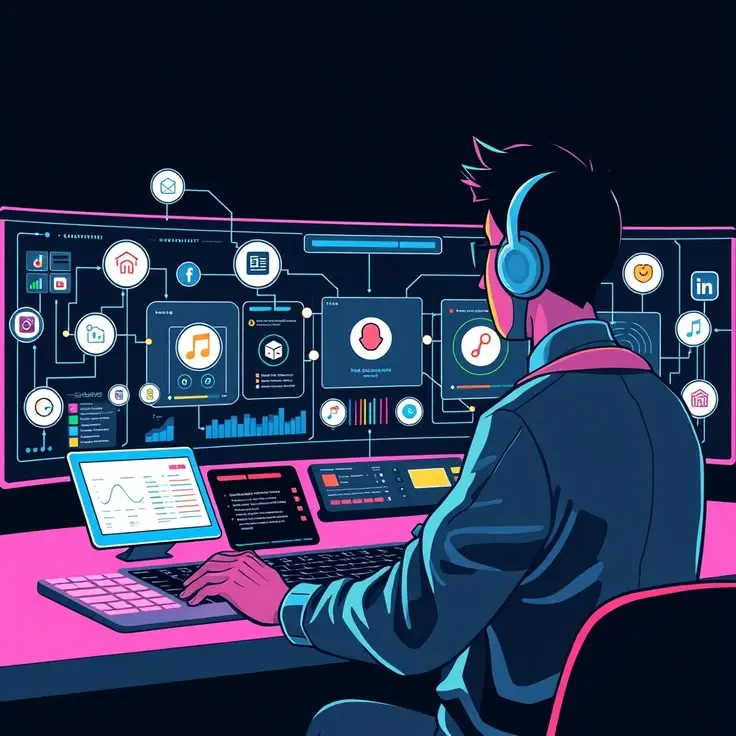
Tools like Midjourney, Adobe Firefly, and Canva AI have made it possible for Indian designers and small business owners to generate high-quality visual content at a fraction of the previous cost. In 2026, AI-generated illustrations, background textures, and hero images are becoming a standard part of the Indian web design workflow particularly for startups and SMEs operating with lean budgets. Alongside this, subtle motion design micro-animations on hover, scroll-triggered reveals, and smooth page transitions has become an expectation rather than a luxury for websites targeting urban Indian audiences.
4. Typographic Minimalism with Bold Indian Language Integration
A powerful emerging trend in Indian web design is the intentional use of large, expressive typography as the primary visual element ,combined with seamless integration of Indian language scripts. With Google Fonts now offering excellent support for Devanagari, Tamil, Telugu, Kannada, and Bengali, more Indian brands are building bilingual and multilingual websites that do not sacrifice design quality to support regional languages. This is particularly relevant for brands targeting Tier 2 and Tier 3 Indian cities, where vernacular content drives significantly higher engagement.
5. Glassmorphism and Layered Depth UI
Glassmorphism the design technique that creates frosted glass effects with semi-transparent panels, soft blurs, and layered depth continues to dominate Indian fintech apps, SaaS dashboards, and premium brand websites in 2026. When executed with restraint, it communicates sophistication and technological capability qualities that aspirational Indian consumers and B2B clients respond strongly to. The key is using it purposefully rather than decoratively.

6. Accessibility First Design: India’s Growing Compliance Landscape
With India’s Rights of Persons with Disabilities Act gaining enforcement attention and global clients increasingly requiring WCAG 2.1 compliance from their Indian vendor websites, accessibility-first web design has moved from a Western concern to an Indian business necessity in 2026. Leading Indian design agencies now build colour contrast checking, keyboard navigation support, and screen-reader compatibility into their standard workflow and clients who do not specify it are increasingly being educated on why it matters.
India-Specific Insight: Bharat Net and the government’s push for rural internet connectivity means that millions of new Indian internet users in 2026 are coming online via low-bandwidth connections. Designing for performance and low-data environments is not just socially responsible it is a significant competitive advantage for businesses targeting pan-India audiences.
FAQ
What are the biggest web design trends in India in 2026?
The top trends in India for 2026 include Bento Grid layouts, dark mode-first design, AI-generated visual content, bold typographic minimalism with support for Indian languages, glassmorphism UI, and accessibility-first design practices.
Is dark mode important for Indian websites in 2026?
Yes. With India’s high penetration of OLED smartphones and extended average screen time, dark mode has shifted from a preference feature to a design priority ,especially for apps, SaaS products, fintech platforms, and entertainment websites targeting urban Indian users.
Should Indian websites support regional language scripts in their design?
Absolutely. Google Fonts now supports all major Indian language scripts beautifully, and brands targeting Tier 2 and Tier 3 cities see dramatically higher engagement with vernacular content. Multilingual web design is a significant competitive advantage in the Indian market in 2026.
Conclusion
Web design in India in 2026 is defined by the convergence of global aesthetic trends with uniquely Indian user behaviours and market dynamics. Businesses that stay ahead of these trends or partner with a design team that does will build digital presences that feel contemporary, perform brilliantly, and communicate authority. we design websites that don’t just look great at launch they are built to lead their category for years to come.